Nature Spirits in Shamanism: Guardians and Guides of the Natural World

Nature Spirits in Shamanism: Guardians and Guides of the Natural World
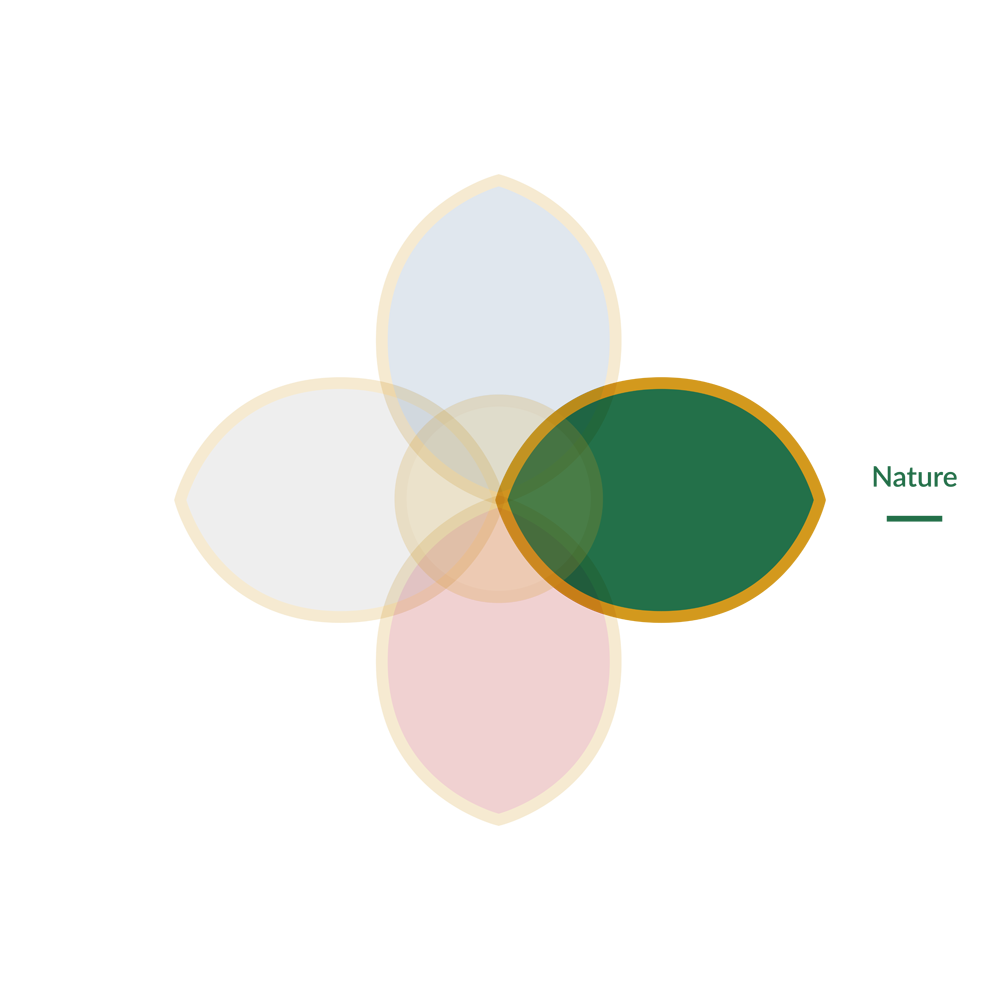
Engagement with the Element of Nature at BEZA’s Zen Academy in Cape Town, Western Cape, highlighting mindfulness and spiritual growth through outdoor meditation practices and natural connection.

Nature - Way of Medicine

– Composed by Letitia Webber

Part 1 of a 4-Part Journey

This is an invitation to awaken the medicine within you, to listen deeply to the voice of Nature, and to discover what it means to live in harmony with your truest authentic self.

Across the vast tapestry of shamanic traditions worldwide, the natural world pulses with life, spirit, and intelligence. These nature spirits—often called elementals, fairies, or guardian beings—are recognized as conscious entities that inhabit forests, rivers, mountains, animals, and plants. Far from mere myth, these spirits are active participants in the spiritual journeys of shamans and seekers alike. They serve as guides, protectors, and teachers, inviting us to reconnect with the Earth’s living medicine wheel and discover our own authentic path.

In this blog, we explore the rich diversity of nature spirits across shamanic cultures, their roles, and how you can begin to build your own relationship with these sacred beings.

What Are Nature Spirits?

Nature spirits are the living essence of the natural world, embodying the energies of earth, air, fire, water, and all living creatures. Central to the shamanic worldview is animism—the belief that all things are alive and imbued with spirit. Shamans journey between worlds to communicate with these spirits, seeking healing, wisdom, and balance.

These beings may appear as animals, plants, elemental forces, or ancestral presences, each with its own personality and purpose. They are often described as:

  • Guardians of specific places or ecosystems

  • Messengers of the spirit world

  • Allies in healing and transformation

  • Keepers of ancient wisdom and natural law

Siberian Shamanism: Animal and Tree Spirits

Siberian shamanism is often considered the foundational root of many contemporary shamanic practices. In this tradition, nature spirits are deeply intertwined with the landscape—especially the vast forests and tundra that define Siberia. Shamans here view animals and trees not as separate from humans but as kin, each possessing their own consciousness and wisdom. The world tree—a cosmic axis connecting the underworld, earth, and heavens—is a central symbol, with tree spirits acting as guardians of this axis and mediators between realms.

The shaman’s trance journey often involves ascending or descending the world tree to meet these spirits, who provide healing knowledge, protection, and guidance. Animal spirits such as the bear, wolf, and eagle are especially revered, each symbolizing different strengths and lessons. For example, the bear represents courage and introspection, while the eagle embodies vision and spiritual clarity.

The shamanic relationship with these spirits is reciprocal and respectful. Offerings, songs, and rituals honor the spirits, inviting their cooperation in healing ceremonies and community rites. This connection supports not only individual healing but also the wellbeing of the entire ecosystem, reflecting a holistic worldview where all beings are interconnected.

Learn more about Siberian Shamanism.

Siberian Shamanism: Animal and Tree Spirits

Native American Traditions: Animal Totems and Spirit Guides

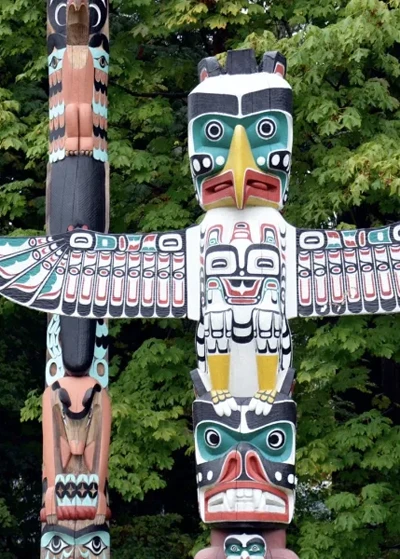
Across the diverse Native American cultures, the concept of animal totems and spirit guides plays a vital role in spiritual life. Totems are not merely symbolic but are living spiritual allies that provide guidance, protection, and teachings. These animal spirits are often discovered through personal quests such as vision quests, dreams, or ceremonies, revealing a unique spiritual relationship tailored to the individual or tribe.

Ceremonies and rituals serve to honor these spirits and maintain harmony with the land and ancestors. The animal totems embody qualities that individuals are encouraged to develop—such as the wisdom of the owl, the strength of the buffalo, or the adaptability of the coyote. These spirits also act as messengers between the human and spirit worlds, facilitating communication and spiritual growth.

In many tribes, the natural world itself is considered sacred, and every element—from rivers to mountains—is alive with spirit. This animistic perspective fosters a deep respect for nature and a sense of responsibility to protect it. The teachings of the animal spirits are often passed down through oral traditions, songs, and dances, ensuring the continuity of this sacred knowledge.
Explore Native American spirit animals and totems

Native American Traditions: Animal Totems and Spirit Guides

Amazonian Shamanism: Forest Spirits and Plant Guardians

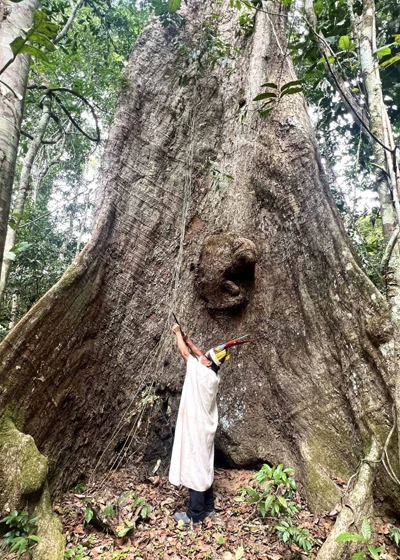
Amazonian shamanism is renowned for its intimate relationship with the rainforest and its myriad spirits. The forest spirits here are understood as conscious beings that inhabit every tree, river, and creature. Central to Amazonian practice is the relationship with plant guardians, especially those connected to sacred plants like ayahuasca, tobacco, and chacruna. These plants are considered teachers and healers, offering visionary experiences and profound spiritual insights.

Shamans, or curanderos, cultivate deep, reciprocal relationships with these plant spirits through ritual preparation, offerings, and ceremonial use. The ayahuasca ceremony, for example, is a sacred journey guided by the plant spirits, allowing participants to confront inner wounds, receive guidance, and experience transformation. These spirits are not passive; they actively communicate through visions, songs (icaros), and symbolic imagery.

Beyond individual healing, Amazonian shamans see themselves as guardians of the forest, working to maintain the balance between humans and nature. They honor the spirits with offerings and rituals that acknowledge the forest’s sovereignty and power. The relationship with nature spirits here is one of mutual respect, humility, and deep spiritual connection.
More on Amazonian plant spirits and shamanism

Amazonian Shamanism- Forest Spirits and Plant Guardians

Mongolian Shamanism: Ancestral and Natural Spirits (Boo/Böö)

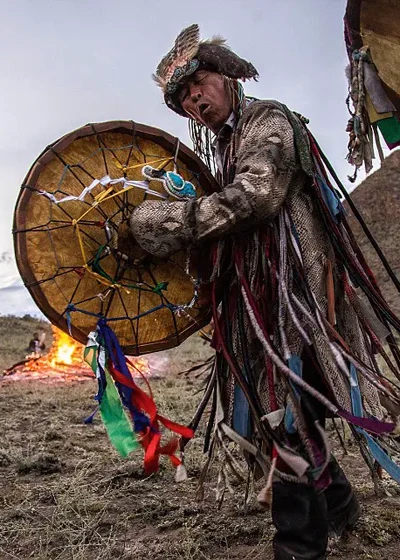
Mongolian shamanism features a rich pantheon of spirits known as boo or böö, encompassing ancestral spirits, animal guardians, and natural forces. These spirits are integral to Mongolian cosmology and daily life, where shamans act as intermediaries between humans and the spirit world. The spirits are believed to inhabit mountains, rivers, animals, and even household objects, each requiring respect and offerings.

Shamans conduct rituals involving drumming, chanting, and offerings to communicate with these spirits, seeking their blessings for health, protection, and success. The ancestral spirits hold a particularly revered place, as they maintain the lineage’s wellbeing and connection to the land. The natural spirits embody the power of the Mongolian steppe, reflecting the harsh but sacred environment.

The shaman’s role includes maintaining balance between humans and spirits, mediating conflicts, and ensuring that the spirits’ needs are met. This relationship is based on reciprocity, respect, and ongoing communication, emphasizing harmony with nature and the ancestors.
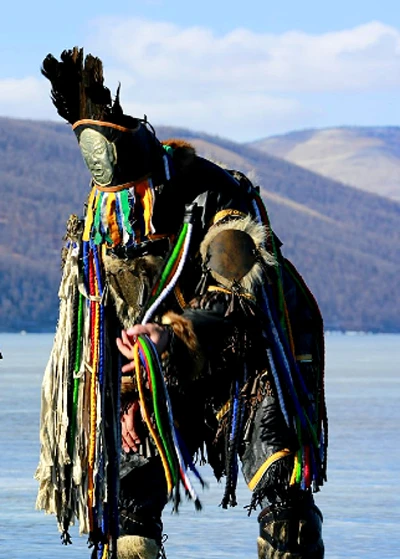
Read about Mongolian nature spirits

African Shamanism: Ancestral and Nature Spirits

In many African spiritual traditions, including those practiced by sangomas and other traditional healers, the spirit world is populated by both ancestral spirits and nature beings. These spirits are central to healing, divination (Read: The Ancient Art of Divination), and community wellbeing. Ancestral spirits are revered as wise guides who continue to influence the living, while nature spirits inhabit rivers, forests, mountains, and animals.

Rituals often involve drumming, dancing, and trance possession, allowing the healer to become a vessel for the spirits’ wisdom and power. These ceremonies not only restore health but also strengthen the social fabric by reaffirming connections to lineage and land. The spirits are called upon to protect the community from harm, provide guidance, and ensure fertility and prosperity.

Nature spirits in African traditions are diverse and can be specific to particular places or natural features. For example, river spirits might be honored with offerings to ensure safe passage or abundant fish. The relationship with these spirits is deeply embedded in everyday life, reflecting a worldview where the spiritual and physical realms are inseparable.
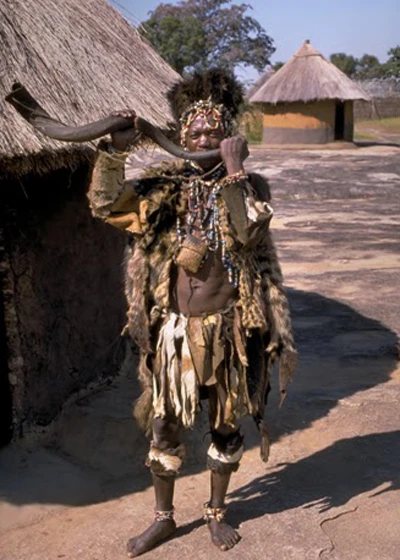
Read about African ancestral and nature spirits

African Shamanism

The Role of Nature Spirits in Shamanic Practice

Nature spirits are essential to the core functions of shamanism:

  • Healing: They assist in removing spiritual blockages and restoring balance to body, mind, and soul.

  • Guidance: They provide wisdom for life decisions, community wellbeing, and spiritual growth.

  • Protection: Rituals honor these spirits to safeguard individuals and communities from harm.

  • Transformation: Through practices like shapeshifting and spirit journeying, shamans embody these spirits’ powers, facilitating personal and collective transformation.

How to Connect with Nature Spirits Today

Building a relationship with nature spirits is a deeply personal and evolving journey. Here are expanded ways to begin:

1. Mindful Presence in Nature

Spend intentional time in natural settings—forests, riversides, gardens—observing without distraction. Notice the subtle movements, sounds, and energies around you. This openness invites nature spirits to reveal themselves in their own time and way. Try to engage all your senses, feeling the texture of leaves, hearing bird songs, smelling earth and flowers. This deep presence fosters connection.

2. Offerings and Reciprocity

Offerings are a traditional way of honoring nature spirits and inviting their presence. These can be simple—water, herbs, tobacco, flowers—or more elaborate depending on your tradition. The key is sincerity and respect, recognizing that this is a two-way relationship. Before leaving a natural space, you might leave a small gift or say a prayer of gratitude, acknowledging the spirit’s presence.

3. Shamanic Journeying and Meditation

Guided meditations or shamanic journeying practices help you enter altered states of consciousness where you can meet and communicate with nature spirits directly. To support this connection, Born as the Earth Zen Academy offers Zen Elemental Meditation—a unique practice that helps you attune to the energies of Fire, Water, Earth, Nature, and Stone. These meditation practices are designed to deepen your relationship with each element.

4. Listening and Symbol Recognition

Pay attention to recurring symbols in dreams, daily life, or encounters with animals and plants. These may be messages or invitations from nature spirits guiding your path. Keeping a journal of these experiences can help you discern patterns and deepen your understanding.

5. Creating Sacred Spaces

Designate a small altar or garden space where you can place offerings, meditate, and connect regularly with the spirits. This physical space serves as a focal point for your relationship with nature’s beings. Incorporate natural objects like stones, feathers, or plants that resonate with you.

A Call to the Seekers

Awaken your authentic spiritual path by joining Born as the Earth Zen Academy’s Apprentice training programs. Our training offers guided journeys, teachings, and community support to help you build meaningful relationships with nature spirits and your own inner medicine.

Sign up for our newsletter to receive regular insights, guided practices, and invitations to upcoming workshops.

Explore our Apprentice Training to deepen your journey into shamanic wisdom and authentic expression.

Frequently Asked Questions (FAQs)

Q: What are nature spirits?
Nature spirits are conscious beings inhabiting the natural world, including animals, plants, and elemental forces.

Q: How do shamans communicate with nature spirits?
Through trance journeys, rituals, offerings, and meditation.

Q: Can anyone connect with nature spirits?
Yes, with respect and practice, anyone can develop this connection.

Q: What is the difference between a spirit animal and a nature spirit?
A spirit animal is a specific type of nature spirit that serves as a personal guide or ally, while nature spirits include a broader range of beings connected to all elements of the natural world.

Q: How can I start connecting with nature spirits?
Begin by spending mindful time in nature, offering gratitude, and exploring guided shamanic journeying practices.

Medicine of NATURE Module

Way of Medicine
16 July - 30 August 2026

Born as the Earth Zen Academy | BEZA | Elemental | Zen | Mentoring | Meditation | Generational Healing | Ancestors | Divination | Shamanic | Shamanism | Gatekeeper | DANA | Community Council | Buddhism | Spirituality | Nature | Mindfulness | Enlightenment | Awakening | Daido Roshi | Consciousness | Holistic | True Self | Wisdom | Medicine

Make Way for your Truth - The world needs your undomesticated, truest self in this moment. This training is for the committed ones who are eager to uncover their authentic selves and give the gift of their unwavering Truth to the world. We will explore the subtle and spontaneous workings of Nature as a guide to bringing you into a more intimate relationship with your originality and genuineness. Read the signs around you. Meet unpredictability with authenticity and curiosity. Trust your medicine to meet revolutionary moments with truth. In this Module we study medicine gifts; transformation; the trickster; authentic expression; transformation; shapeshifting and truth.

Personal Shamanic Training with Nangaku

These private training sessions are a unique opportunity to learn various shamanic practices. It is recommended for you to plan for ongoing weekly or monthly personalized training sessions. The first session would engaged to discern where your particular inclination lies in the realm of shamanic practices: Dreamwork; Divination; Rituals; Healing; Intuition; The Medicine Wheel; Myths; Spirit Work etc..

Once on your path of self-exploration, individualized training and practices will be offered to you in which you will be guided to acknowledge, affirm and nurture your unique gifts on your path to becoming a healer.

Engagement with the Element of Nature at BEZA’s Zen Academy in Cape Town, Western Cape, highlighting mindfulness and spiritual growth through outdoor meditation practices and natural connection.

Why explore Shamanism?

I want to learn various shamanic practices

I want to expand my consciousness 

I want to access my inner wisdom

I want to know what my unique spiritual gifts are

PERSONAL SHAMANIC TRAINING

R500 per session (Africans)

€75 per session (Internationals)

Live training sessions with Ekan Nangaku (50min session)

Tues – Thurs  1-5pm SAST

2. Advanced Training Track

Advanced Training begins with becoming an Apprentice through the Apprentice Gate. Once at least 2 Elemental Modules have been completed you may progress through the Student gate and then on through the Facilitator Gate.

GATEKEEPER APPRENTICE TRAINING

Apprentices enter Advanced Training through participating in one 2-month elemental module, or by journeying through all 5 elemental modules around BEZA’s Medicine Wheel which lasts 10 months.

Includes:

  • All of The 5 Gates offered in the Guest Track above
  • Zen & Elemental Meditation Guidance Training
  • Advanced Circle of Connection Training
  • Personal Divination sessions
  • Regular Mentoring sessions
  • Prerequisite to enter the Student Track

2 Months of Comprehensive Training per module

2 x R1500/€225 monthly DANA subscription payments per module
The Ancient Art of Divination

The Ancient Art of Divination

Celebratory announcement: BEZA proudly becomes an official Non-Profit Company, marking a new chapter in its mission to alleviate suffering.

The Ancient Art of Divination

Divination is an ancient healing craft which has been used for centuries to make the invisible world visible. To be a diviner, or seer, into other realms requires the Art of responsible Gatekeeping between the Worlds.

Gatekeepers and diviners are shamanic practitioners whose function is to purify the energies they let in and out of their being. By attuning to, cleansing, and bringing these energies into balance, Gatekeepers become the Wisdom Keepers of the World. 

BEZA Initiates of the Five Elemental Bodies of the Medicine Wheel serve the transformational power of love for the benefit of all beings.

Introduction to Divination

Divination (from Latin divinare ‘to foresee, reveal, foretell, predict, prophesy, etc.’) is the attempt to gain insight into a question or situation by way of an occultic ritual or practice. Using various methods throughout history, diviners ascertain their interpretations of how a querent should proceed to attain harmony and balance in their lives by reading signs, events, or omens, or through contact or interaction with ‘supernatural’ agencies such as ancestors, spirits, elemental spirits, gods or god-like-beings, or the “will of the universe”.

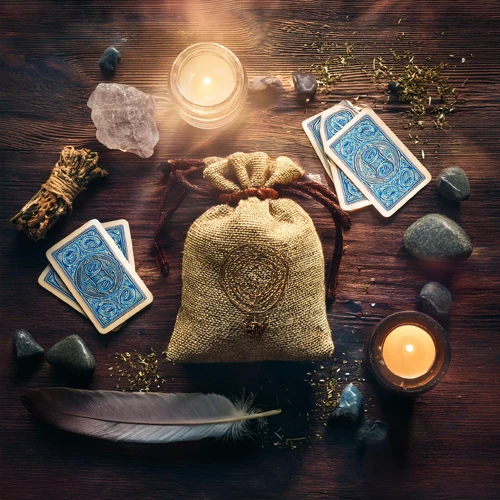
Divination can be seen as an attempt to organize what appears to be random so that it provides insight into a problem or issue at hand. Some instruments or practices of divination include Tarot-card reading, rune casting, tea-leaf reading,automatic writing, water scrying, and psychedelics like psilocybin mushrooms and DMT. If a distinction is made between divination and fortune-telling, divination has a more formal or ritualistic element and often contains a more social character, usually in a religious or spiritual context, as seen in traditional African medicine. Fortune-telling, on the other hand, is a more everyday practice for personal purposes. Particular divination methods vary by culture and religion.

In its functional relation to magic in general, divination can have a preliminary and investigative role. The diagnosis or prognosis achieved through divination is both temporarily and logically related to the manipulative, protective or alleviative function of magic rituals. In divination one finds the cause of an ailment or a potential danger, in magic one subsequently acts upon this knowledge.

The History of Divination

Antiquity

The eternal fire at Nymphaion in southern Illyria (present-day Albania) also functioned as an oracle. The forms of divination practiced in this natural fire sanctuary with peculiar physical properties were widely known to the ancient Greek and Roman authors. The Oracle of Amun at the Siwa Oasis was made famous when Alexander the Great visited it after conquering Egypt from Persia in 332 BC.

Deuteronomy 18:10-12 or Leviticus 19:26 can be interpreted as categorically forbidding divination. But some biblical practices, such as Urim and Thummim, casting lots and prayer, are considered to be divination. One of the earliest known divination artifacts, a book called the Sortes Sanctorum, is believed to be of Christian roots, and utilizes dice to provide insight into the future.


Middle Ages and Early Modern period

The divination method of casting lots (Cleromancy) was used by the remaining eleven disciples of Jesus in Acts 1:23–26 to select a replacement for Judas Iscariot. Therefore, divination was arguably an accepted practice in the early church. However, divination became viewed as a pagan practice by Christian emperors during ancient Rome.

In 692 the Quinisext Council, also known as the “Council in Trullo” in the Eastern Orthodox Church, passed canons to eliminate pagan and divination practices. Fortune-telling and other forms of divination were widespread through the Middle Ages. In the constitution of 1572 and public regulations of 1661 of the Electorate of Saxony, capital punishment was used on those predicting the future. Laws forbidding divination practice continue to this day. 

Småland is famous for Årsgång, a practice which occurred until the early 19th century in some parts of Småland. Generally occurring on Christmas and New Year’s Eve, it is a practice in which one would fast and keep themselves away from light in a room until midnight to then complete a set of complex events to interpret symbols encountered throughout the journey to foresee the coming year.

In Islam, astrology, the most widespread divinatory science, is the study of how celestial entities could be applied to the daily lives of people on earth. It is important to emphasize the practical nature of divinatory sciences because people from all socioeconomic levels and pedigrees sought the advice of astrologers to make important decisions in their lives. Astronomy was made a distinct science by intellectuals who did not agree with the former, although distinction may not have been made in daily practice, where astrology was technically outlawed and only tolerated if it was employed in public. Astrologers, trained as scientists and astronomers, were able to interpret the celestial forces that ruled the “sub-lunar” to predict a variety of information from lunar phases and drought to times of prayer and the foundation of cities. The courtly sanction and elite patronage of Muslim rulers benefited astrologers’ intellectual statures.

The “science of the sand”, otherwise translated as geomancy, is “based on the interpretation of figures traced on sand or other surface known as geomantic figures.” It is a good example of Islamic divination at a popular level. The core principle that meaning derives from a unique occupied position is identical to the core principle of astrology.

Like astronomy, geomancy used deduction and computation to uncover significant prophecies as opposed to omens, which were a process of “reading” visible random events to decipher the invisible realities from which they originated. It was upheld by prophetic tradition and relied almost exclusively on text, specifically the Qur’an (which carried a table for guidance) and poetry, as a development of bibliomancy. The practice culminated in the appearance of the illustrated “Books of Omens” (Falnama) in the early 16th century, an embodiment of the apocalyptic fears as the end of the millennium in the Islamic calendar approached.

Dream interpretation, or oneiromancy, is more specific to Islam than other divinatory science, largely because of the Qur’an’s emphasis on the predictive dreams of Abraham, Yusuf, and Muhammad. The important delineation within the practice lies between “incoherent dreams” and “sound dreams,” which were “a part of prophecy” or heavenly message. Dream interpretation was always tied to Islamic religious texts, providing a moral compass to those seeking advice. The practitioner needed to be skilled enough to apply the individual dream to general precedent while appraising the singular circumstances.

The power of text held significant weight in the “science of letters”, the foundational principle being “God created the world through His speech.” The science began with the concept of language, specifically Arabic, as the expression of “the essence of what it signifies.” Once the believer understood this, while remaining obedient to God’s will, they could uncover the essence and divine truth of the objects inscribed with Arabic like amulets and talismans through the study of the letters of the Qur’an with alphanumeric computations.

In Islamic practice in Senegal and Gambia, just like many other West African countries, diviners and religious leaders and healers were interchangeable because Islam was closely related with esoteric practices (like divination), which were responsible for the regional spread of Islam. As scholars learned esoteric sciences, they joined local non-Islamic aristocratic courts, who quickly aligned divination and amulets with the “proof of the power of Islamic religion.” So strong was the idea of esoteric knowledge in West African Islam, diviners and magicians uneducated in Islamic texts and Arabic bore the same titles as those who did.

From the beginning of Islam, there “was (and is) still a vigorous debate about whether or not such [divinatory] practices were actually permissible under Islam,” with some scholars like Abu-Hamid al Ghazili (d. 1111) objecting to the science of divination because he believed it bore too much similarity to pagan practices of invoking spiritual entities that were not God. Other scholars justified esoteric sciences by comparing a practitioner to “a physician trying to heal the sick with the help of the same natural principles.”

Mesoamerica

Divination was a central component of ancient Mesoamerican religious life. Many Aztec gods, including central creator gods, were described as diviners and were closely associated with sorcery. Tezcatlipoca is the patron of sorcerers and practitioners of magic. His name means “smoking mirror,” a reference to a device used for divinatory scrying. In the Mayan Popol Vuh, the creator gods Xmucane and Xpiacoc perform divinatory hand casting during the creation of people. The Aztec Codex Borbonicus shows the original human couple, Oxomoco and Cipactonal, engaged in divining with kernels of maize. This primordial pair is associated with the ritual calendar, and the Aztecs considered them to be the first diviners.

Every civilization that developed in pre-Columbian Mexico, from the Olmecs to the Aztecs, practiced divination in daily life, both public and private. Scrying through the use of reflective water surfaces, mirrors, or the casting of lots were among the most widespread forms of divinatory practice. Visions derived from hallucinogens were another important form of divination, and are still widely used among contemporary diviners of Mexico. Among the more common hallucinogenic plants used in divination are morning glory, jimson weed, and peyote.

Contemporary divination in Asia

India and Nepal

Theyyam or “theiyam” in Malayalam is the process by which a devotee invites a Hindu god or goddess to use his or her body as a medium or channel and answer other devotees’ questions. The same is called “arulvaakku” or “arulvaak” in Tamil, another south Indian language – Adhiparasakthi Siddhar Peetam is famous for arulvakku in Tamil Nadu. The people in and around Mangalore in Karnataka call the same, Buta Kola, “paathri” or “darshin”; in other parts of Karnataka, it is known by various names such as, “prashnaavali”, “vaagdaana”, “asei”, “aashirvachana”, and so on. In Nepal it is known as, “Devta ka dhaamee” or “jhaakri”.

In English, the closest translation for these is, “oracle.” The Dalai Lama, who lives in exile in northern India, still consults an oracle known as the Nechung Oracle, which is considered the official state oracle of the government of Tibet. The Dalai Lama has according to centuries-old custom, consulted the Nechung Oracle during the new year festivities of Losar.

Japan

Although Japan retains a history of traditional and local methods of divination, such as onmyōdō, contemporary divination in Japan, called uranai, derives from outside sources. Contemporary methods of divination in Japan include both Western and Chinese astrology, geomancy or feng shui, tarot cards, I Ching (Book of Changes) divination, and physiognomy (methods of reading the body to identify traits).

In Japan, divination methods include Futomani from the Shinto tradition.

Personality types

Personality typing as a form of divination has been prevalent in Japan since the 1980s. Various methods exist for divining personality-type. Each attempt to reveal glimpses of an individual’s destiny, productive and inhibiting traits, future parenting techniques, and compatibility in marriage. Personality type is increasingly important for young Japanese, who consider personality the driving factor of compatibility, given the ongoing marriage drought and birth rate decline in Japan.

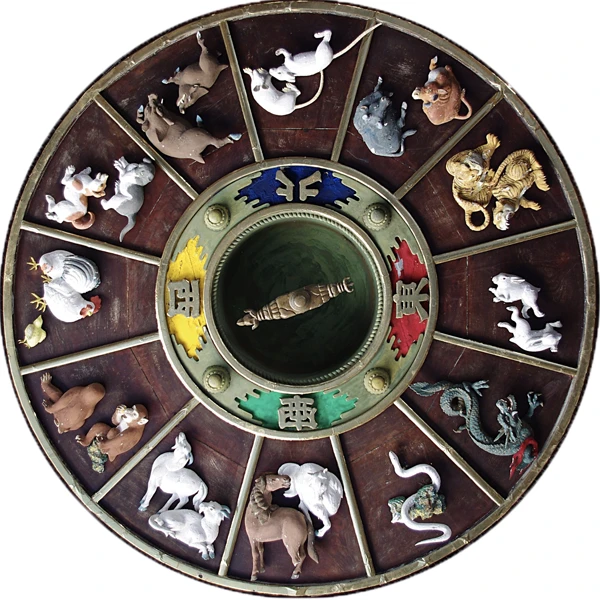
An import to Japan, Chinese zodiac signs based on the birth year in 12 year cycles (rat, ox, tiger, hare, dragon, snake, horse, sheep, monkey, cock, dog, and boar) are frequently combined with other forms of divination, such as so-called ‘celestial types’ based on the planets (Saturn, Venus, Mars, Jupiter, Mercury, or Uranus). Personality can also be divined using cardinal directions, the four elements (water, earth, fire, air), and yin-yang. Names can also lend important personality information under name classification which asserts that names bearing certain Japanese vowel sounds (a, i, u, e, o) share common characteristics. Numerology, which utilizes methods of divining ‘birth numbers’ from significant numbers such as birth date, may also reveal character traits of individuals.

Individuals can also assess their own and others’ personalities according to physical characteristics. Blood type remains a popular form of divination from physiology. Stemming from Western influences, body reading or ninsou, determines personality traits based on body measurements. The face is the most commonly analyzed feature, with eye size, pupil shape, mouth shape, and eyebrow shape representing the most important traits. An upturned mouth may be cheerful, and a triangle eyebrow may indicate that someone is strong-willed.

Methods of assessment in daily life may include self-taken measurements or quizzes. As such, magazines targeted at women in their early-to-mid twenties feature the highest concentration of personality assessment guides. There are approximately 144 different women’s magazines, known as nihon zashi koukoku kyoukai, published in Japan aimed at this audience.

Japanese tarot

The adaptation of the Western divination method of tarot cards into Japanese culture presents a particularly unique example of contemporary divination as this adaptation mingles with Japan’s robust visual culture. Japanese tarot cards are created by professional artists, advertisers, and fans of tarot. One tarot card collector claimed to have accumulated more than 1,500 Japan-made decks of tarot cards.

Japanese tarot cards fall into diverse categories such as:

  • Inspiration Tarot (reikan tarotto);
  • I-Ching Tarot (ekisen tarotto);
  • Spiritual Tarot (supirichuaru tarotto);
  • Western Tarot (seiyō tarotto); and
  • Eastern Tarot (tōyō tarotto).

The images on tarot cards may come from images from Japanese popular culture, such as characters from manga and anime including Hello Kitty, or may feature cultural symbols. Tarot cards may adapt the images of Japanese historical figures, such as high priestess Himiko (170–248CE) or imperial court wizard Abe no Seimei (921–1005CE). Still others may feature images of cultural displacement, such as English knights, pentagrams, the Jewish Torah, or invented glyphs. The introduction of such cards began by the 1930s and reached prominence in the 1970s. Japanese tarot cards were originally created by men, often based on the Rider-Waite-Smith tarot published by the Rider Company in London in 1909. Since, the practice of Japanese tarot has become overwhelmingly feminine and intertwined with kawaii culture. Referring to the cuteness of tarot cards, Japanese model Kuromiya Niina was quoted as saying “because the images are cute, even holding them is enjoyable.” While these differences exist, Japanese tarot cards function similarly to their Western counterparts. Cards are shuffled and cut into piles then used to forecast the future, for spiritual reflection, or as a tool for self-understanding.

Taiwan

A common act of divination in Taiwan is called the Poe. “The Poe” translated to English means “moon boards”. It consists of two wood or bamboo blocks cut into the shape of a crescent moon. The one edge is rounded while the other is flat; the two are mirror images. Both crescents are held out in one’s palms and while kneeling, they are raised to the forehead level. Once in this position, the blocks are dropped and the future can be understood depending on their landing. If both fall flat side up or both fall rounded side up, that can be taken as a failure of the deity to agree. If the blocks land one rounded and one flat, the deity indicates “Yes”, or positive. “Laughing poe” is when rounded sides land down and they rock before coming to a standstill. “Negative poe” is when the flat sides fall downward and abruptly stop; this indicates “No”. When there is a positive fall, it is called “Sacred poe”, although the negative falls are not usually taken seriously. As the blocks are being dropped the question is said in a murmur, and if the answer is yes, the blocks are dropped again. To make sure the answer is definitely a yes, the blocks must fall in a “yes” position three times in a row.

A more serious type of divination is the Kiō-á. There is a small wooden chair, and around the sides of the chair are small pieces of wood that can move up and down in their sockets, this causes a clicking sound when the chair is moved in any way. Two men hold this chair by its legs before an altar, while the incense is being burned, and the deity is invited to descend onto the chair. It is seen that it is in the chair by an onset of motion. Eventually, the chair crashes onto a table prepared with wood chips and burlap. The characters on the table are then traced and these are said to be written by the deity who possessed the chair, these characters are then interpreted for the devotees.

Contemporary divination in Africa

Divination is widespread throughout Africa. Among many examples it is one of the central tenets of Serer religion in Senegal. Only those who have been initiated as Saltigues (the Serer high priests and priestesses) can divine the future. These are the “hereditary rain priests” whose role is both religious and medicinal.

Cultures of Africa to the year circa C.E. 1991 were still performing and using divination, within the urban and rural environments. Diviners might also fulfill the role of herbalist. Divination might be thought of as a social phenomenon, and is thought of as central to the lives of people in societies of Africa (circa 2004 at least).

South Africa

AmaXhosa and AmaZulu

The Xhosa peoples contain individuals who practice divination known as sangomas. The diviner of the Amazulu (the Zulu people) of South East Africa is known as Izinyanga Zokabula, or an Inyanga.

Traditional Initiation

In the period of initiation, the man, to begin with, abstains from certain foods, and eats only a small amount of the foods he does eat. He complains about bodily pain. He dreams many things (he has become a house of dreams). He finally becomes ill and goes to a diviner to seek help, but the man stays unwell for perhaps two years. At this time he is already possessed by Itongo. His hair falls out. His skin is now dry. About this time he becomes aware of his divinatory powers which are heard and seen by his sneezing and yawning repeatedly, and is also now liking snuff very much, taking this often. He suffers convulsions in illness and has water poured over him, at which time the convulsions stop for a while. He cries and weeps. During the night sometimes others go to sing with him, after he has awoken them with his own singing, after having composed a song. His body is now emaciated. During the initiation the sleep pattern of the initiate changes to a number of brief periods and awakens to be active singing songs and leaping inside and outside (like a frog). The village makes an effort to make the initiates Itongo white. At this time, a well-respected and known Inyanga makes ubulawo (an emetic) for the initiate, the initiate and the Inyanga spend two days together, then the initiate is himself an Inyanga.

Impepo

The initiating Inyanga first eats black impepo, to take away dimness from the inner sight, then white impepo. White impepo is used to maintain trueness of inner sight after the black impepo. Both are emetics. The Inyanga sleeps with black impepo (under the head) to make the dreams clear and true.

Divination Training with BEZA

Human beings are the current expression of millions of years of evolutionary transformation. We have emerged into existence from galactic stardust, into foundational Earth elements, into life forms, homo-sapiens, and then, through a very long line of ancestors, we arrive on the scene as who we are today.

Humans are inherently mythological beings – the species that uses the language of symbology to create meaning. Countless mystics from traditions the world over, speak of our mythological journey as a cycle of dream-like states in which we are constantly prodded to awaken into our inherent enlightenment.

Divination is one of many guiding tools used to access awakening – the state where our ancient mystical wisdom is made visible and practical. Becoming a diviner or seer is akin to being a mentor and guide into the mystical realm.

The year-long Gatekeeper Apprentice Training around the Elemental Medicine Wheel and a 22-Day Divination Training Intensive in South Africa facilitated by Ekan Nangaku, a master-diviner of 15 years, teaches how to engage Mother Earth’s Elements as harmonic tools to reveal the rituals needed for clients to create harmony between the realms.

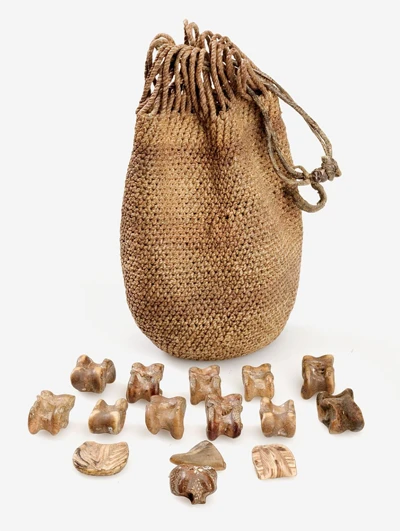
During training, BEZA supplies their apprentices with a divination manual and all the items needed for their starter divination kit. Students are asked to acquire some additional items beforehand and personalize their divination cloth. While on the training apprentices embody the healing remedies or prescriptions during their initiation into ancient ceremonial practices.

Ancestral Divination Sessions

Divination is an ancient healing craft which has been used for centuries to connect with the ancestral realm and make the Invisible World, visible.

Usually you come to a divination session with a deep question. Your question and the ensuing divination lifts the veil to the invisible world which is complete in potential. By way of your ‘ask’ of the invisible world (Other World and Ancestral Realm) for guidance (to make visible) as to what hidden energies are constellating in your life, you discover how to open the way for healing. Various prescriptions or remedies will flow out of the divination session which ask of you to perform a ritual or ceremony in acknowledgment of having received a profound message and to restore balance and wholeness in your being.

Private Divination sessions are offered on a sliding scale.

Born as the Earth Zen Academy | BEZA | Elemental | Zen | Mentoring | Meditation | Generational Healing | Ancestors | Divination | Shamanic | Shamanism | Gatekeeper | DANA | Community Council | Buddhism | Spirituality | Nature | Mindfulness | Enlightenment | Awakening | Daido Roshi | Consciousness | Holistic | True Self | Wisdom | Medicine